.png)


Let's be honest: not every company retreat inspires excitement.
Some employees hear the words "team offsite" and immediately picture endless PowerPoint presentations, forced icebreakers, awkward networking, and mandatory fun. Others quietly wonder how much work will be waiting for them when they get home.
But when a retreat is planned with intention, the reaction is completely different.
Employees start asking questions weeks in advance. They trade packing tips in Slack. They extend their flights to explore the destination. Long after everyone has returned home, people are still referencing inside jokes, sharing photos, and talking about experiences they had together.
So what's the difference?
It isn't necessarily a bigger budget or a more luxurious destination. It's creating an experience that people genuinely want to be part of.
Here's what actually makes employees look forward to a company retreat.
Related: Planning a Global Company Retreat? Choose a Destination Your Team Can Actually Get To
Give People Something They Can't Get on Zoom
Remote work has made meetings incredibly efficient—but efficiency isn't the same as connection.
The most memorable retreats create experiences that simply can't happen through a laptop screen.
Think:
- Cooking with a local chef
- Learning to surf together
- Exploring hidden neighborhoods with local guides
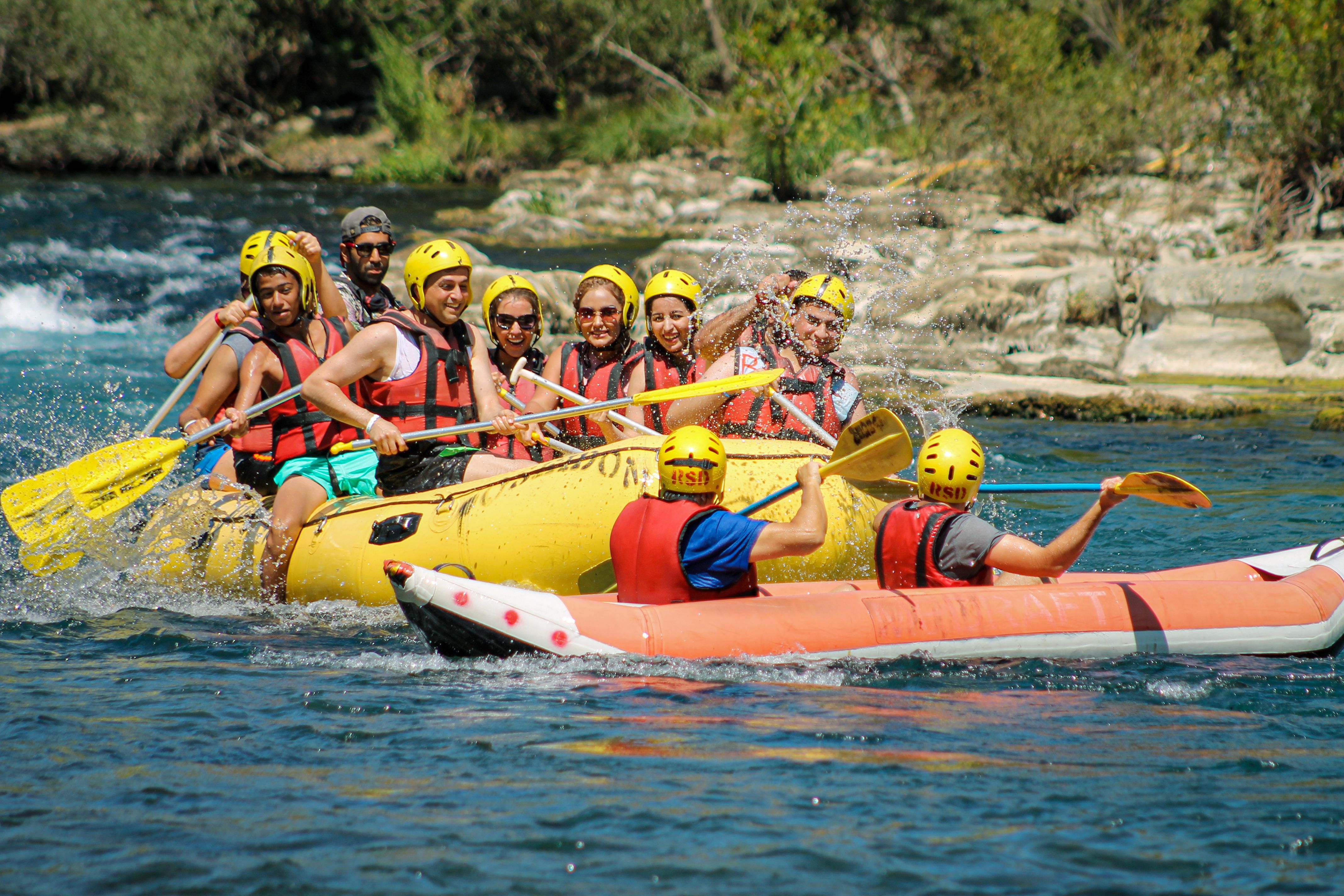
- Tackling a team challenge in an incredible landscape
- Sharing meals that turn into three-hour conversations
These shared experiences become the stories people tell long after the retreat ends.
When employees return home remembering moments instead of meetings, you've done something right.
Related: Corporate Retreat Trends for 2027: What's Changing (And What's Here to Stay)
Stop Scheduling Every Minute
One of the biggest mistakes companies make is assuming every minute needs to be productive.
Ironically, the moments people remember most often happen between the scheduled events.
The conversation over breakfast.
A spontaneous coffee run.
An impromptu walk through the city.
The late-night board game that wasn't on the itinerary.
Downtime gives relationships room to grow naturally. Instead of manufacturing team building, you're simply creating opportunities for it to happen.
The best retreat schedules leave plenty of breathing room.
Related: Corporate Team Building Companies: How To Choose One For Your Retreat Planning
Make It Feel Like a Reward—Not Another Workday
Nobody flies across the country hoping to sit in a conference room from 8 a.m. until dinner.
Yes, strategic planning sessions matter.
But employees should feel like they're traveling somewhere worth experiencing.
That doesn't mean every day needs to be packed with adventure. It means balancing work with meaningful experiences that justify leaving home.
Imagine wrapping up a morning strategy session before spending the afternoon sailing, hiking, wine tasting, snorkeling, or exploring a vibrant local market.
People return more energized because they actually had a chance to recharge.
Choose Destinations That Spark Curiosity
Location matters more than many companies realize.
A destination should feel exciting enough that employees are eager to go—even if they weren't originally enthusiastic about traveling.
That doesn't always mean choosing somewhere exotic.
Sometimes it's a mountain town with incredible scenery.
Sometimes it's a walkable European city.
Sometimes it's a beach destination with nonstop flights.
The goal is choosing a place that encourages exploration, conversation, and shared discovery.
The destination becomes part of the experience instead of simply serving as the backdrop.
Related: The Best Outdoor Team Building Activities
Let People Be People
Employees spend enough time thinking about deadlines, emails, and meetings.
A retreat gives people permission to show different sides of themselves.
The engineer who's secretly an incredible photographer.
The quiet accountant who's hilarious after dinner.
The executive who loves karaoke.
These moments flatten organizational hierarchies and create authentic relationships that carry back into everyday work.
When colleagues become real people instead of profile pictures, collaboration naturally improves.
Skip the Forced Fun
Few phrases inspire less enthusiasm than "mandatory icebreaker."
Employees can usually tell when an activity exists solely because someone thought every retreat needed one.
Instead of forcing participation, design experiences that naturally encourage conversation.
Cooking classes.
Food tours.
Interactive workshops.
Outdoor adventures.
Volunteer projects.
Creative competitions.
These activities give people something to do together instead of forcing them to invent conversation.
The best networking often happens when nobody realizes they're networking.
Related: How to Plan a Corporate Retreat in Sedona, Arizona
Surprise People
Unexpected moments are often the highlights of a retreat.
Maybe it's:
- A surprise concert
- Sunset cocktails on a rooftop
- A private museum tour
- Local food trucks arriving after an afternoon workshop
- Personalized welcome gifts waiting in hotel rooms
- An unexpected celebrity speaker
Small surprises create delight.
And delight creates memories.
People rarely remember the agenda.
They remember how the experience made them feel.
Give Employees Choices
Not everyone enjoys the same activities.
Some people want to hike.
Others want a spa afternoon.
Some would rather explore museums.
Others simply want time by the pool with a book.
Offering multiple activity options shows employees their preferences matter.
Choice also reduces pressure.
Instead of feeling obligated to participate in something uncomfortable, people can select experiences they'll genuinely enjoy.
Inclusive retreats aren't about making everyone do the same thing—they're about creating something for everyone.
Make Meals Worth Talking About
Food is often where the best conversations happen.
Instead of treating meals as logistical necessities, make them part of the experience.
Think family-style dinners.
Local restaurants.
Outdoor feasts.
Chef's tables.
Street food tours.
Cooking competitions.
Meals naturally slow people down and encourage conversations that rarely happen in meeting rooms.
Some of the strongest team bonds begin over incredible food.
Remember Why You're Bringing Everyone Together
The purpose of a retreat isn't simply to get everyone into the same room.
It's to strengthen relationships.
Celebrate accomplishments.
Create alignment.
Inspire creativity.
Recharge people.
When every activity supports one of those goals, employees notice.
The retreat feels intentional instead of performative.
The Best Retreats Balance Structure and Freedom
Employees don't remember the spreadsheet.
They remember laughing until midnight with coworkers they'd barely spoken to before.
They remember trying something new.
They remember feeling appreciated.
They remember returning home feeling more connected—not more exhausted.
Creating that kind of experience requires thoughtful planning, careful logistics, and a willingness to prioritize people over packed agendas.
At Moniker, that's exactly how we approach every retreat. We design experiences that balance business objectives with authentic human connection, creating gatherings employees genuinely look forward to attending—not because they have to, but because they can't wait to see what's next.
.png)
